
Glacier Trends
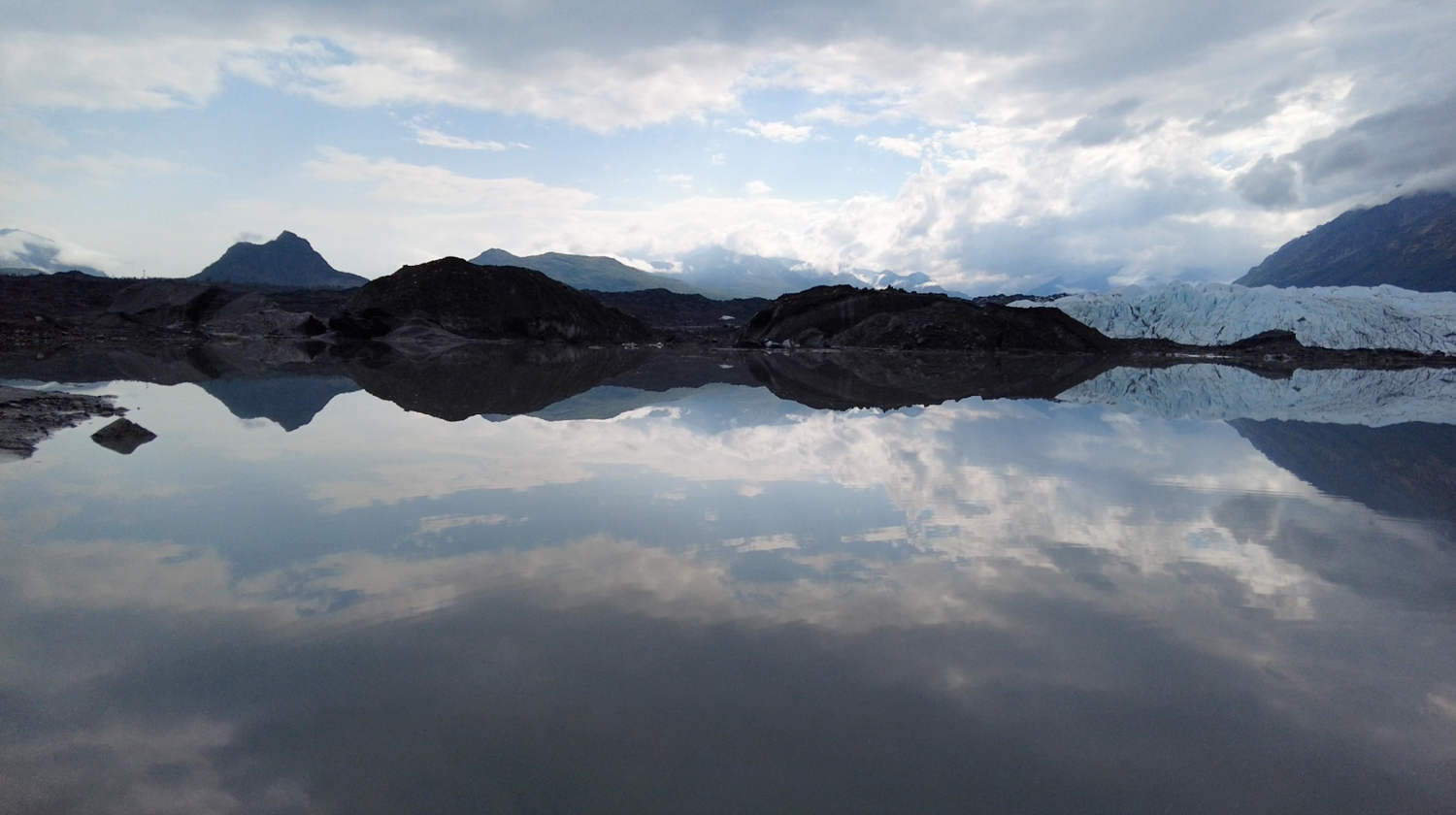
Changes in Alaskan Glaciers
Glaciers exist around the whole Earth, forming the foundation for sustaining life globally by storing about three-quarters of the world’s fresh water and supplying essential micronutrients. These micronutrients support both marine and terrestrial organisms, providing resources necessary for ecosystems to thrive and remain sustainable.
In recent history, most glaciers have lost more ice in summer than they gained in winter, leading to a net decline in glacier mass. Decades of research and data collection now allow us to observe and quantify glacier ablation, providing a clearer understanding of this ongoing loss.
Glaciers Around the World
Glaciers worldwide are undergoing an alarming transformation, with surging ice loss and rapid melting disrupting the planet’s balance. Every glaciated region, once stable and studied, now faces escalating threats, each bearing irreversible natural histories and profound cultural damage. A staggering 36% jump in global glacier ice loss from 2000 to 2023 (Nature) signals an unprecedented crisis, shattering all previous records.
While glaciers worldwide reveal distinctive histories and cultural impacts, recent data underscores a concerning trend. While the Earth has naturally cycled through warming and cooling before, the current crisis surpasses all past extremes. Glaciers are now desperately needed to maintain life and ecological stability, but surging meltwater is already devastating landscapes and threatening the survival of communities across glaciated regions.
Contributing Factors
A vast majority of the world’s population relies on glacier-reserved water—essential for millions of people, the food we grow, and most life as we know it. When glaciers melt faster than ever recorded, natural dangers and their speed of onset increase. When there is so much overwhelming evidence of this pattern, we all have the capacity to ask ourselves what we can do without each individual feeling like they have to handle this problem on their own.
So what are the major contributing factors to increased melting and loss of fresh water? Primarily, the increase in building in regions that had not had large populous before, leads to the loss of the natural environment, which in turn leads to instability, which in turn leads to a loss of water and precipitation. Simultaneously, companies are encouraging work that involves greater use of natural resources, driven by increased fuel consumption. This contributes to the pattern we see of faster temperature changes and more extreme weather cycles.
Maybe it’s the constant influence some see on social media about what life should be like, and how to achieve that, even if it’s not true. It could be powerful entities that profit from environmental destruction. And, the possibility that what happens when countries are destabilized, and the ‘advantages’ some take, instead of acknowledging collective problems, and either admitting they cannot offer adequate aid.
Stabilizing
So, after reading all that, what can we actually do? First, it is crucial to ensure that those with local and indigenous knowledge have an equal voice and respect in these discussions. That does not mean entities that have lived in regions, colonized, failed to care for the land, and have criticized these cultures and demonized them are to be centered as the loudest voice. Other means include initiatives and groups of individuals fluent and who have the means and language to stand up to big corporations and entities that try to ‘incorporate’ villages, towns, and cities without proper plans for care and consideration to the environment. Reaching out to organizations to learn what they do and how you can help in small ways does more than you think and is a good way to learn.
Restoring native habitats is a wonderful way to connect with the community and observe the environment’s stability and needs firsthand. This also increases biodiversity in environments, which is a good thing. Some of the most impactful ways to address these issues are to participate in sustainability initiatives and learn proper waste management techniques. There are local groups that are being recognized for their ability to make decisions and resist allowing businesses and corporations to build, and instead reward those who care for the environment. We must ask ourselves what success is. Because losing a whole planet to biological destruction surely is not.
Resources
- How much of the Earth’s water is stored in glaciers? (2019, October 25). USGS. https://www.usgs.gov/faqs/how-much-earths-water-stored-glaciers
- Glossary of Glacier Terminology – Text Version (2013). USGS. https://pubs.usgs.gov/of/2004/1216/text.html#:~:text=Ablation,out%20of%20a%20glacier%20basin.
- Community estimate of global glacier mass changes from 2000 to 2023 (2025, February 19). nature. https://www.nature.com/articles/s41586-024-08545-z


