
Seismology and Glaciers
Seismic Activity and Glaciers
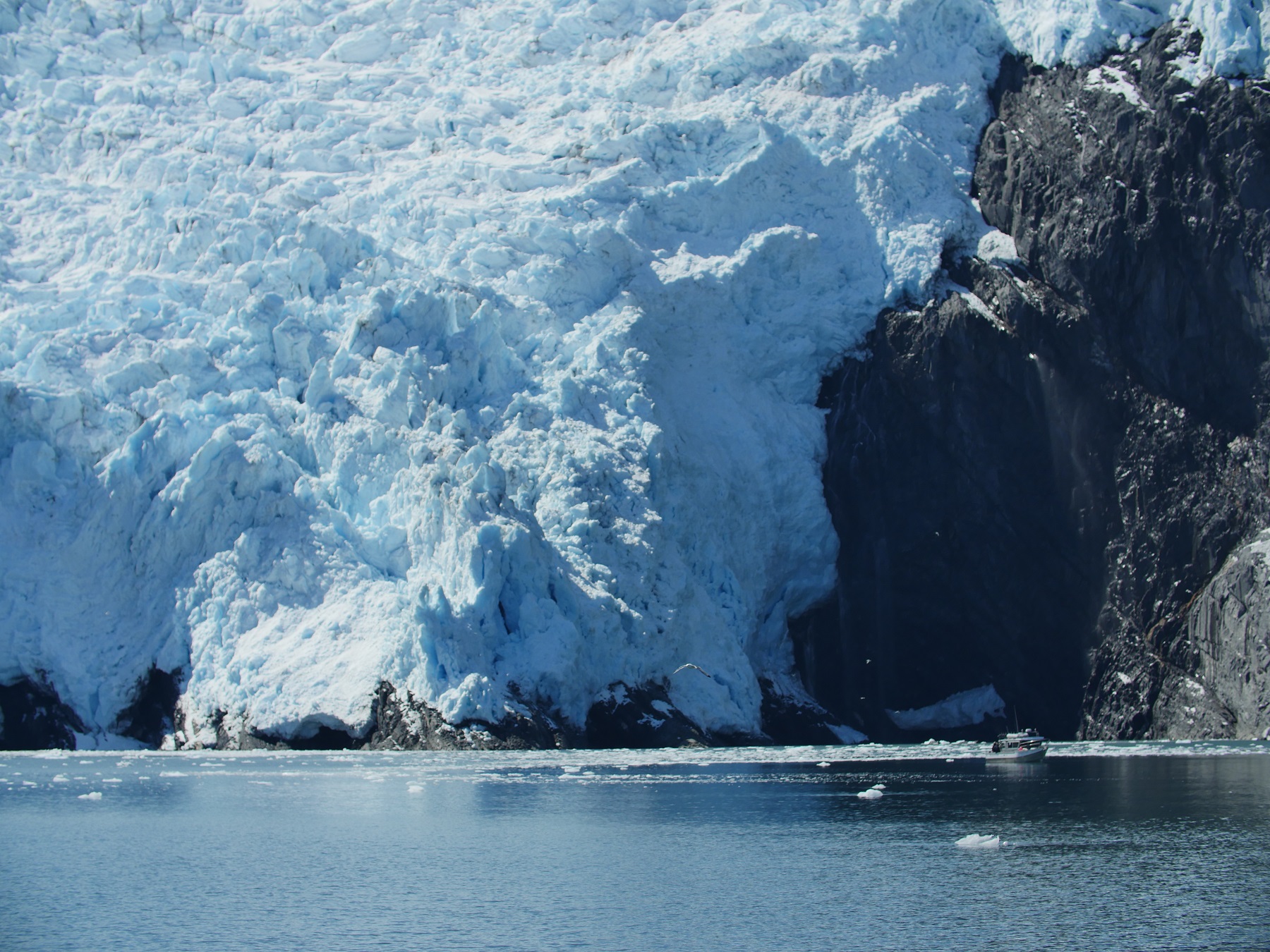
Glaciers are constantly changing. In warmer months, changes can be dramatic. During colder seasons, changes are gradual and subtle. As glaciers shift from a series of elemental changes, they sometimes emit earthquake-like signals.
Some seismic readings and activity in Alaska are due to glaciers, which are dramatically affecting the environment. Since the 1980s, glaciers have been getting smaller and retreating after nearly 200 years of stability. (Alaska Earthquake Center) A noticeable change in the environment caused by a glacial event is sometimes called a glacierquake. Glacier quakes occur when ice moves, shifts, or changes state, while earthquakes are the sudden release of energy from the shifting of Earth’s tectonic plates. (Northwestern)
Changing Glaciers
Glacier quakes share similarities and distinctions with earthquakes. Both can affect each other’s dynamics. For example, when a tectonic plate shifts, ground movement can channel meltwater, create vibrations that dislodge massive ice sheets, and trigger ice calving (the breaking of large ice chunks that fall to the ground or into meltwater). Conversely, if ice calves and deposits substantial ice masses into meltwater or at the ground line, this force can shift tectonic plates and influence seismic activity.
One factor in determining the magnitude of seismic activity from ice falling is the ice’s mass and the distance it must fall. (USGS) The larger the ice mass, the longer the fall, the bigger the magnitude of the seismic effect. In addition, other factors contributing to the increase in seismic activity include warmer ocean temperatures, rising sea levels, and increased rainfall. All of these factors wear away at ice, typically by undercutting ice shelves and destabilizing lower ice shelves. Furthermore, water depth also influences caving. As glacier melting rates increase, there is a correlation between increased calving and greater meltwater.
Not Your Traditional Earthquake
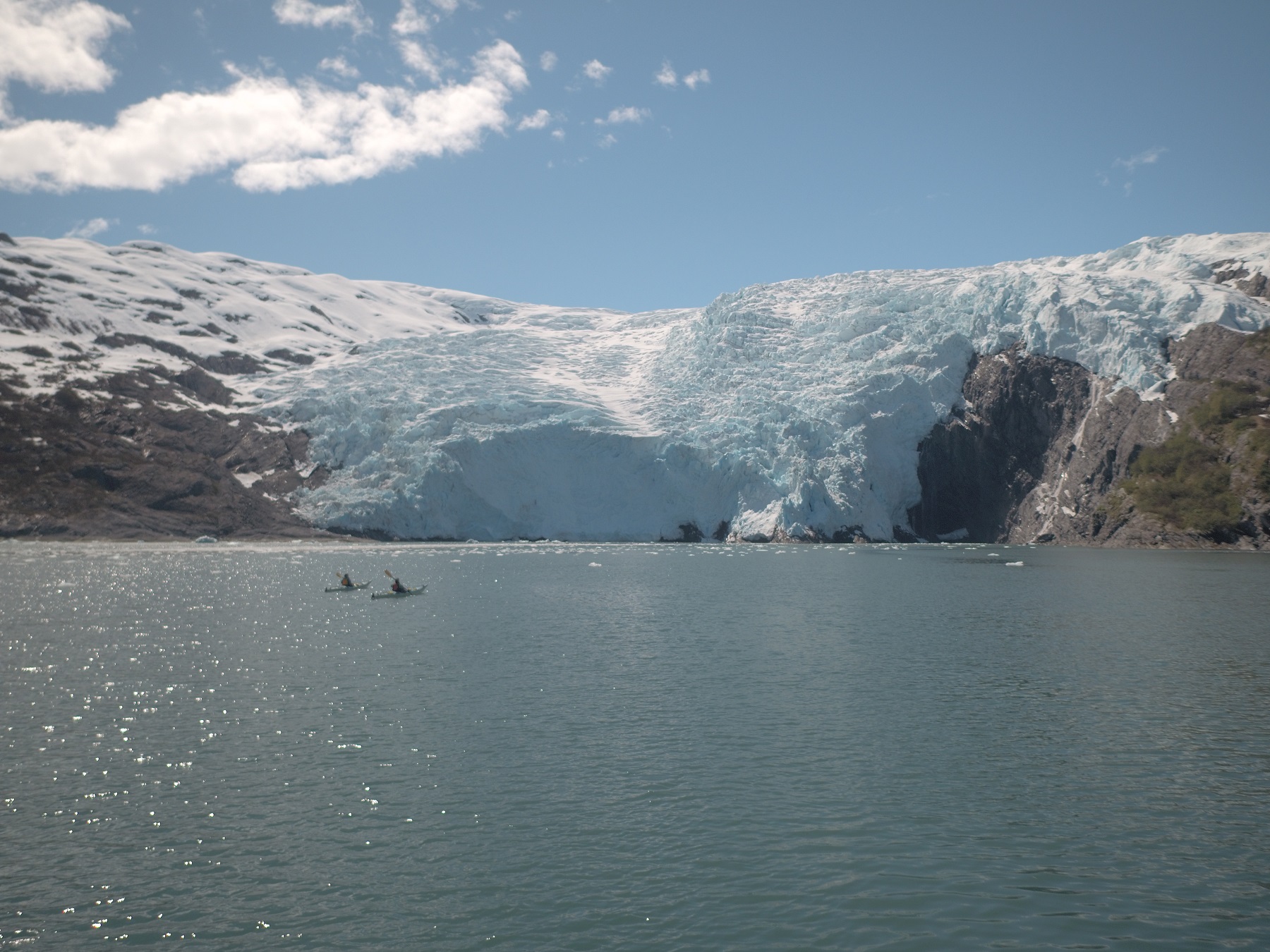
When scientists observed that there were no signs of seismic activity underground yet still saw tectonic plates shift, they considered what might be happening. It was found that when a large chunk of ice, or an iceberg, fell off an ice sheet, or when ice sheets moved past each other near a fault line, this would trigger quakes. Ice quakes would trigger earthquakes, typically near the ground line.
While some glaciers can threaten nearby structures depending on their location, they more often alter the surrounding environment. Glacier quakes have been studied for less than a century, leaving scientists much to learn about their causes and mechanisms. Scientists have observed that rising sea levels correlate with increased glacial quake activity. (Cambridge)
Through observation and research, scientists are curious about how seismic activity affects glaciers and their environment. When a quake occurs, data, though imprecise, allows scientists to estimate how quickly a glacier might move and what environmental impacts may follow. These estimates help provide warnings to stations and nearby communities for possible evacuation and transportation needs. However, while some patterns have been observed, much of the data remains inconsistent regarding how glaciers respond after a quake.


